Gambling and culture How beliefs shape betting behaviors around the world
Cultural Perspectives on Gambling
Gambling is often perceived through a cultural lens, where beliefs and traditions dictate how societies engage with betting activities. In some cultures, gambling is seen as a form of entertainment and a social gathering, while in others, it is viewed with suspicion or even outright prohibition. For example, in many Western cultures, casinos serve as popular venues for socializing, with games like poker and blackjack drawing significant crowds. These cultural attitudes influence not only the popularity of various forms of gambling but also the types of games that flourish within these environments. Players can discover the best new casinos that cater to their preferences in a safe atmosphere.

Conversely, in places like Islamic nations, gambling is strictly forbidden due to religious beliefs. This prohibition shapes a cultural narrative where games of chance are replaced by activities deemed acceptable, such as sports or skill-based competitions. The contrasting views highlight how deep-rooted beliefs can mold the landscape of gambling, affecting everything from legislation to public perception and participation.
The Role of Religion in Betting Practices
Religion plays a pivotal role in shaping gambling behaviors across the globe. In areas where religious beliefs discourage gambling, individuals may seek alternative activities that align with their faith, significantly impacting the local gambling industry. In many Christian communities, for instance, there may be an ambivalence towards gambling, often viewed as a vice that can lead to moral decay. This perspective can lead to a more cautious approach to betting, with individuals opting for moderation or completely avoiding such activities.
On the other hand, in cultures where gambling is intertwined with spiritual practices, such as certain Indigenous communities, betting can take on a ceremonial role. Here, games of chance are not merely about winning money but are also viewed as a way to connect with tradition and community. These varying religious perspectives highlight how spiritual beliefs influence not only attitudes toward gambling but also the behaviors and practices surrounding it.
Social Influences and Peer Pressure
Social dynamics play a significant role in influencing gambling behaviors. Peer pressure can lead individuals to participate in betting activities they might otherwise avoid. In cultures where gambling is popular and normalized, individuals may feel compelled to engage in these activities to fit in or be accepted by their social circle. This can lead to a cycle of increased participation, where the thrill of gambling is often amplified by the collective experience.
Conversely, in more conservative environments, social stigma can deter individuals from participating in gambling. This can create a divide, where those who do gamble may do so discreetly, leading to a hidden culture of betting that exists alongside public disapproval. Understanding the social fabric surrounding gambling reveals how personal choices are often influenced by the collective attitudes of friends, family, and community.
Economic Factors and Accessibility
The economic environment is another crucial element that shapes gambling behaviors. In regions with strong economies, access to casinos and betting platforms is often more prevalent, encouraging participation. High-income areas may see more sophisticated gambling activities, from luxury casinos to high-stakes games. This accessibility fosters an environment where betting becomes a commonplace aspect of leisure activities.
In contrast, in economically disadvantaged areas, the availability of gambling options may be limited, influencing how individuals perceive and engage with betting. People may resort to illegal or unregulated forms of gambling, seeking alternative means to participate. Economic factors, therefore, not only influence the availability of gambling venues but also the attitudes and behaviors associated with betting.
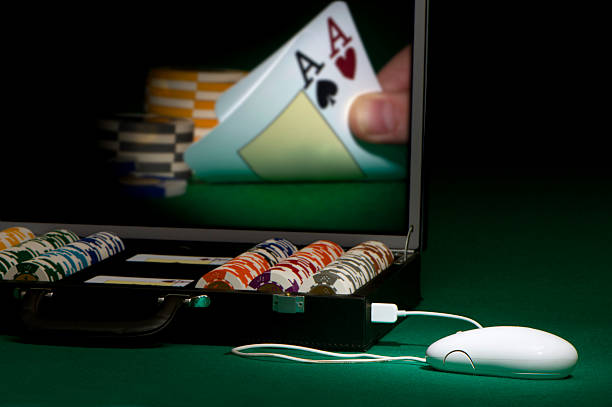
Exploring the Intersection of Culture and Online Gambling
The rise of online gambling platforms has revolutionized the betting landscape, providing access to various games and betting options across cultural boundaries. As a result, individuals can engage in gambling activities that were previously restricted by geographic or cultural limitations. Online casinos offer diverse experiences, often tailored to different cultural preferences, thereby enhancing the global gambling culture.
For players seeking safe and enjoyable online experiences, understanding the cultural nuances that influence gambling behaviors is essential. This website serves as a comprehensive resource for discovering the latest online casinos, highlighting responsible gaming practices and promoting a user-friendly environment for all players. By guiding individuals toward reputable platforms, it aims to foster a culture of safe and responsible gambling in an ever-evolving digital landscape.